
By MUCH Magazine Staff
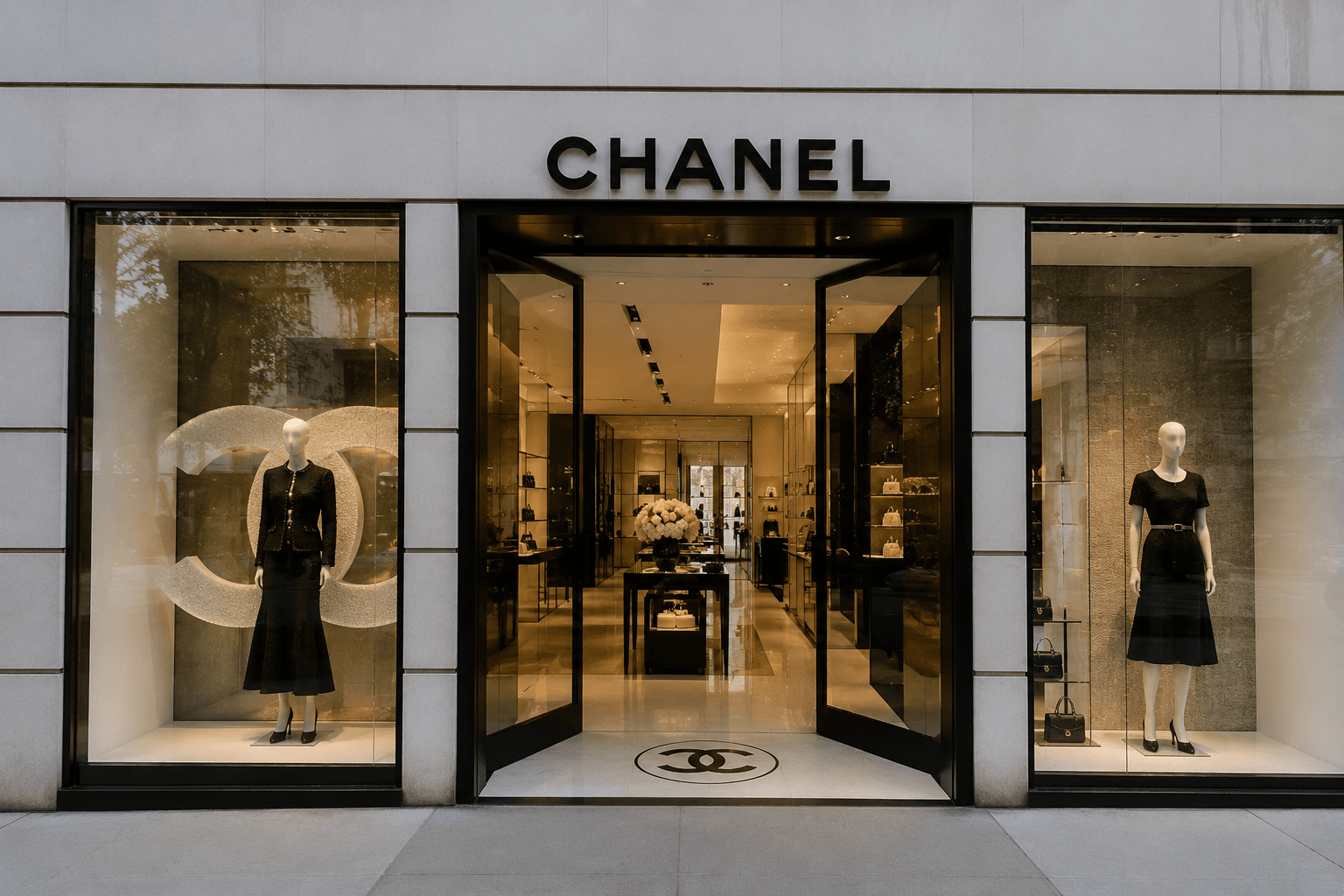
For nearly a century, the name Coco Chanel has represented elegance, sophistication, and luxury. She revolutionized women’s fashion, introduced timeless designs, and created Chanel No. 5, one of the most recognizable fragrances in the world.
Behind that carefully crafted image, however, is a wartime history that continues to raise difficult questions about one of fashion’s most celebrated figures.
During World War II, as Nazi Germany occupied Paris, Chanel closed her couture house and lived at the Ritz Hotel, where many high ranking German officers also stayed. During that period, she was involved in a relationship with Baron Hans Günther von Dincklage, a German intelligence officer connected to the Nazi regime. French archival records later identified Chanel as having ties to German intelligence, although historians continue to debate the full extent of her involvement.
One part of her wartime record is firmly established.
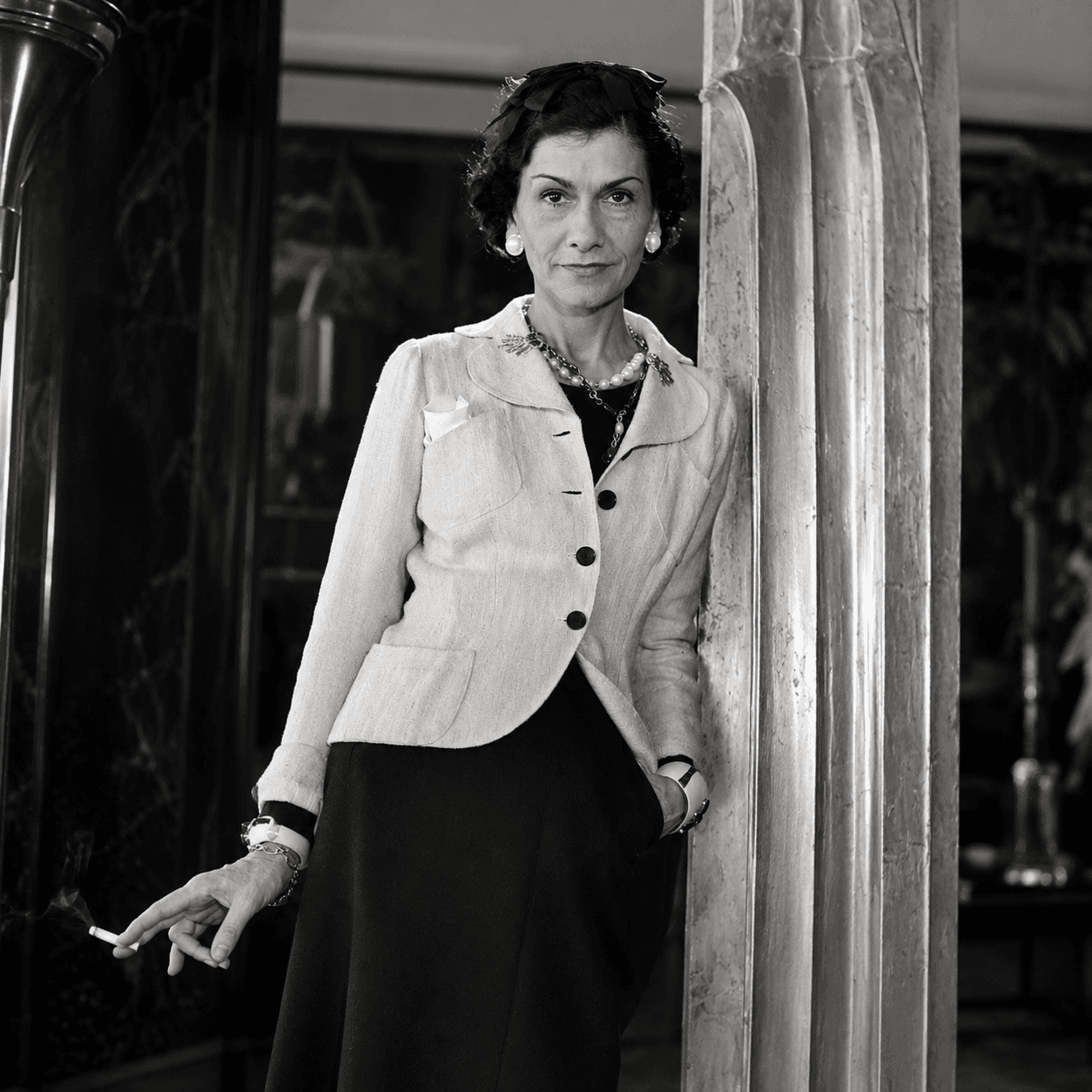
Years before the war, Chanel partnered with businessman Pierre Wertheimer to establish Parfums Chanel. The Wertheimer family provided the financial backing, manufacturing expertise, and international distribution that transformed Chanel No. 5 into a global success. In return, the Wertheimers held the majority ownership of the perfume company while Chanel retained a minority interest.
When France fell under Nazi occupation, anti Jewish laws allowed Jewish owned businesses to be confiscated or transferred to non Jewish ownership.
In 1941, Chanel sought to use those laws to gain control of Parfums Chanel. She petitioned German authorities to transfer ownership of the company to her, arguing that because the Wertheimer family was Jewish, she should become its sole owner.
Her effort failed.
Before leaving France, Pierre Wertheimer anticipated what could happen under Nazi rule. He transferred ownership of Parfums Chanel to Félix Amiot, a trusted French industrialist who was not Jewish. Because Amiot legally controlled the business, German authorities could not seize it under their racial laws. After World War II ended, Amiot returned ownership to the Wertheimer family exactly as planned.
The outcome is one of the great ironies in fashion history.
The company Coco Chanel tried to acquire through Nazi policies ultimately remained in the hands of the family that helped build it into one of the world’s most successful luxury brands.
Following the liberation of France, Chanel was questioned about her wartime activities. She was never convicted of espionage, but historians have continued to examine her documented relationships with German officials and her attempt to benefit from antisemitic laws enacted during the occupation.
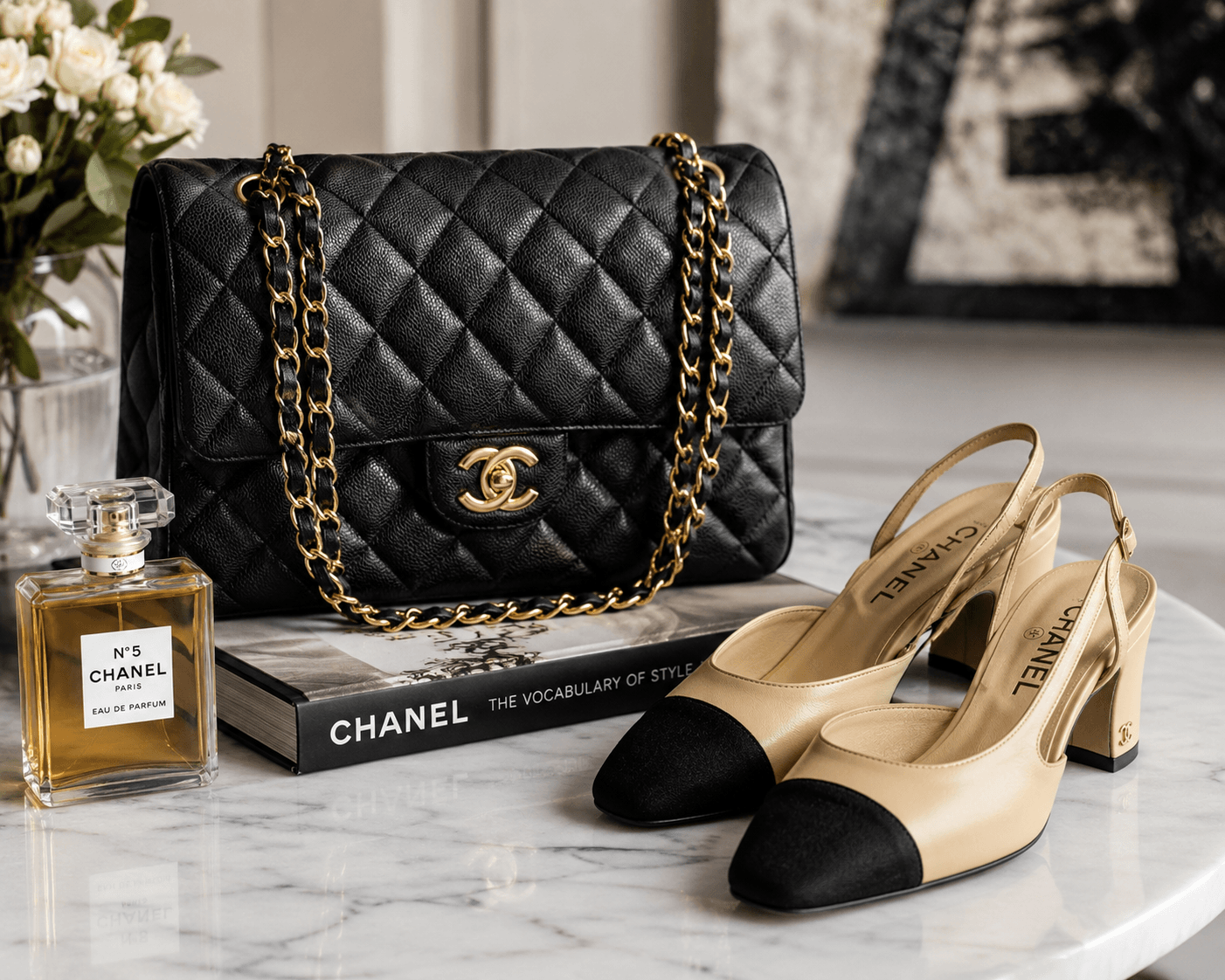
Today, Chanel is one of the most valuable luxury brands in the world. The company remains privately owned by Alain and Gérard Wertheimer, the grandsons of Pierre Wertheimer.
There is no question that Coco Chanel changed fashion forever. Her influence can still be seen on runways and in boutiques around the world.
Her wartime actions deserve to be remembered as well.
History is at its strongest when it tells the complete story. Coco Chanel’s legacy includes remarkable innovation, extraordinary business success, and a documented attempt to exploit one of history’s darkest periods for personal gain. Both chapters belong in the historical record.


