

There are stories of success, stories of heartbreak, and then there are stories of redemption so powerful they remind us that history has a way of correcting itself. Tracey Norman’s journey belongs in that final category.
Long before diversity became a marketing strategy and inclusion became a corporate talking point, Tracey Norman was quietly making history.
Born in Newark, New Jersey, Norman entered the modeling world during the 1970s and immediately captivated the fashion industry with her striking beauty, grace, and undeniable presence. Legendary photographer Irving Penn discovered her, opening doors that many aspiring models could only dream about. Soon she was appearing in Vogue Italia, working with Avon, and becoming the unforgettable face of Clairol’s Born Beautiful hair color campaign. At the time, she was one of the few Black models enjoying national recognition in an industry that offered very few opportunities to African American women.
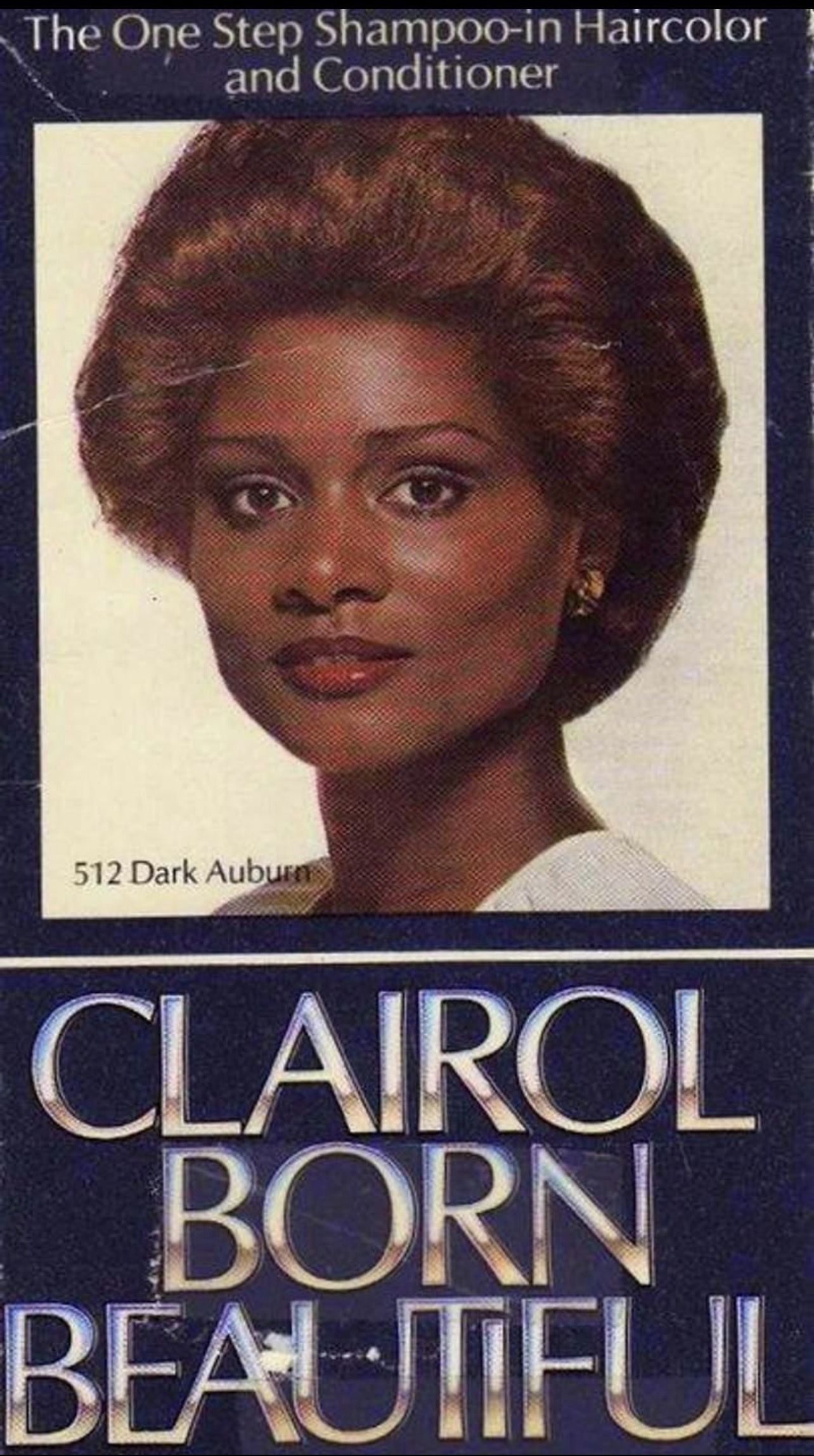
But behind the glamour was a secret.
Tracey was a transgender woman, something she kept private because she understood the reality of the era. The fashion world celebrated her beauty until it discovered her truth.
During an Essence magazine photo shoot in 1980, her identity was revealed. Almost overnight, the phone stopped ringing. Contracts disappeared. Agencies that once praised her suddenly had no place for her. The same industry that had embraced her talent closed its doors without hesitation.
For many people, that would have been the end of the story.
For Tracey Norman, it was simply the beginning of another chapter.
She refused to allow rejection to define her worth. Though the spotlight faded, she continued living authentically while becoming a respected figure within New York’s ballroom community, mentoring others and earning recognition as the Mother of the House of Africa. She became a symbol of resilience for people who needed someone to prove that surviving was possible.
Then something remarkable happened.
More than three decades after losing the career she loved, the fashion world finally acknowledged what it had taken away.
In 2015, a feature telling her story introduced Tracey Norman to a new generation. Suddenly, the industry wanted to celebrate the woman it had once rejected. Clairol invited her back to become the face of another national campaign, allowing her to return not in secrecy but with pride. She also appeared on the cover of Harper’s Bazaar India, proving that greatness has no expiration date.
Today, Tracey Norman is recognized as the first African American transgender woman to achieve mainstream success in fashion. Her influence reaches far beyond modeling. She helped expand the definition of beauty before the world was ready to embrace it. She showed that courage often comes with a cost, but authenticity is always worth protecting.
Her legacy is not built solely on magazine covers or advertising campaigns.
It is built on perseverance.
It is built on refusing to disappear.
It is built on the belief that even when the world writes you out of the story, you can still return and become one of its most unforgettable chapters.
Tracey Norman’s life reminds us that success is impressive, but redemption is unforgettable. Sometimes history gets it wrong the first time. Fortunately, history also has the power to make things right.


